

If you’re the type to contribute to citizen science, you have a really important role to play in helping manage bird flu. Annual Where? Where? Wedgie! monitoring will be important in gauging its impact on these and other raptors in Tasmania.
Most immediately, we can help by reporting any dead birds that we see: ‘Avoid; Record; Report’. Feeling hesitant? Read on to learn how Jeannie-Marie Leroi, NatureTrackers’ outreach support, fared recently doing just this…
Jeannie-Marie Leroi’s story
When on a daily beach walk the other day, I came across a dead cormorant. I was aware that bird flu had just been confirmed in WA and had been keeping an eye on the news since last spring when bird flu had been predicted to reach Australian shores.
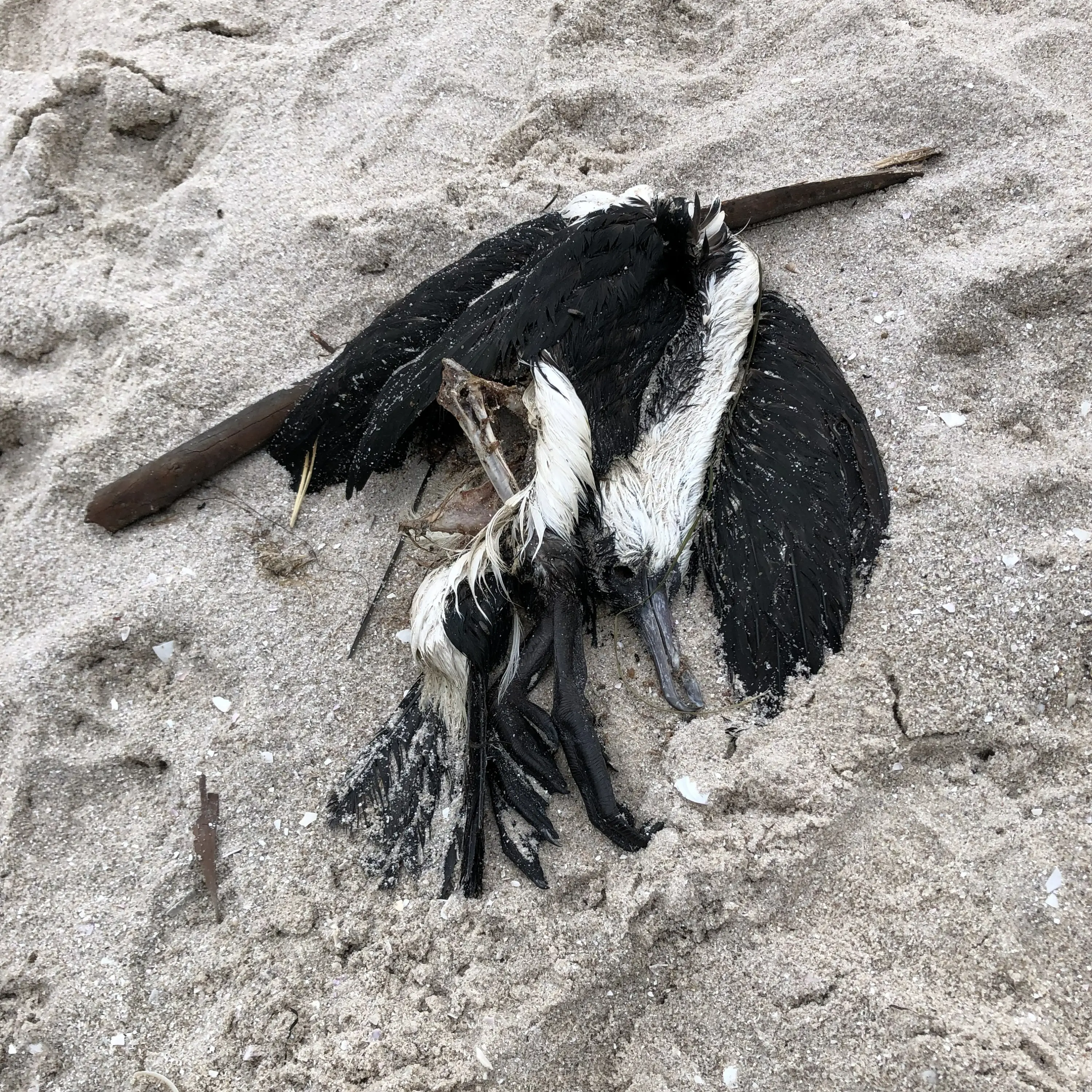
At first, I wasn’t sure what to do. It’s just a dead bird right? And it could have died of any natural cause. It was well above the tide mark and there’s not usually too many visitors to this beach. I didn’t have my phone on me either. So I noted where it was and went home.
Once at home, I thought I should look up the general advice if a dead bird is seen in a public space given the bird flu situation. I found out not to touch dead birds and to report to the Emergency Animal Disease Hotline on 1800 675 888.
I felt very torn. Do I head back to beach to take a photo and record the location for the hotline? What if they ask me heaps of questions that I can’t answer? Or if I just get put on hold for ages? What if there are complicated passwords and authentications to navigate? Do I even worry about it? After all, it was only one bird. I decided not to take any further action.
The next day, a friend was visiting and we went for a walk to the same beach. The dead cormorant was still there. This time I had my phone with me — and a friend! They strongly suggested I call the Emergency Hotline. So with this support, I made the call and straight away, there was a very helpful person on the line. They didn’t ask me any difficult questions — just the general location, the number and type of bird, and how old the carcass was. I explained that I had seen it the previous day but hadn’t been sure whether to call or not. The very helpful person reassured me that I had done the right thing in making the call and directly recorded the sighting on their database. They then asked for a contact phone and email and let me know that a vet would be in touch. It was that simple! Given I had my phone, I took a photo and recorded the exact location.
Later that same day, I received a call from the vet — who was also very helpful and friendly. We clarified the location and the approximate state of the carcass which looked to be a few days old and likely too aged for bird flu testing. And I was able to send my photo directly to her. The advice was to leave the carcass where it was. Both the vet and the hotline person were very appreciative of my call — which was very reassuring.
Based on this experience, I (and my friend!) now know what to do in case of a similar situation. I hope that by sharing this story gives others confidence to report any sightings of unwell or dead birds — which will also support the monitoring of this very unwelcome disease.
More information
- For comprehensive information about bird flu in Australia, see the government website birdflu.gov.au.
- For other options for reporting observations of both live and dead wildlife, check out our Report Something page.
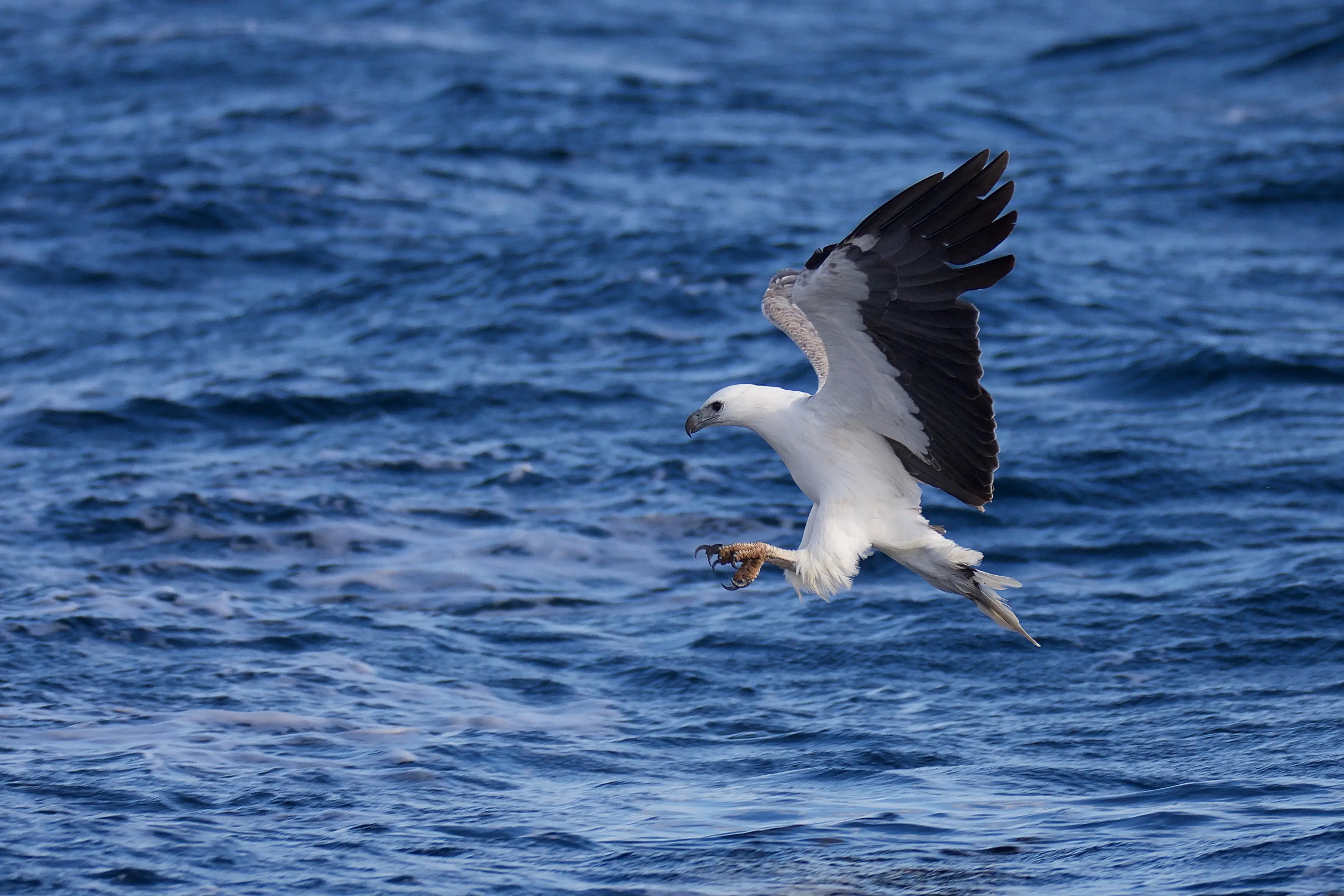
This disease is a special threat to colonial seabirds, scavengers and predators including white-bellied sea-eagles.